Ryobi Ebs800: Everything You Need To Know – Specifications, Comparisons, Manuals, And Troubleshooting
RYOBI EBS800 Information
The RYOBI EBS800 is a 800W belt sander that is ideal for sanding wood and steel surfaces, as well as removing rust from steel. The tough motor can help you remove materials rapidly with its 76 x 533 mm2 sanding belt (with a sanding area of 76 x 150mm2). The adjustable front handle and dust extraction port make it easy to use in a variety of situations.
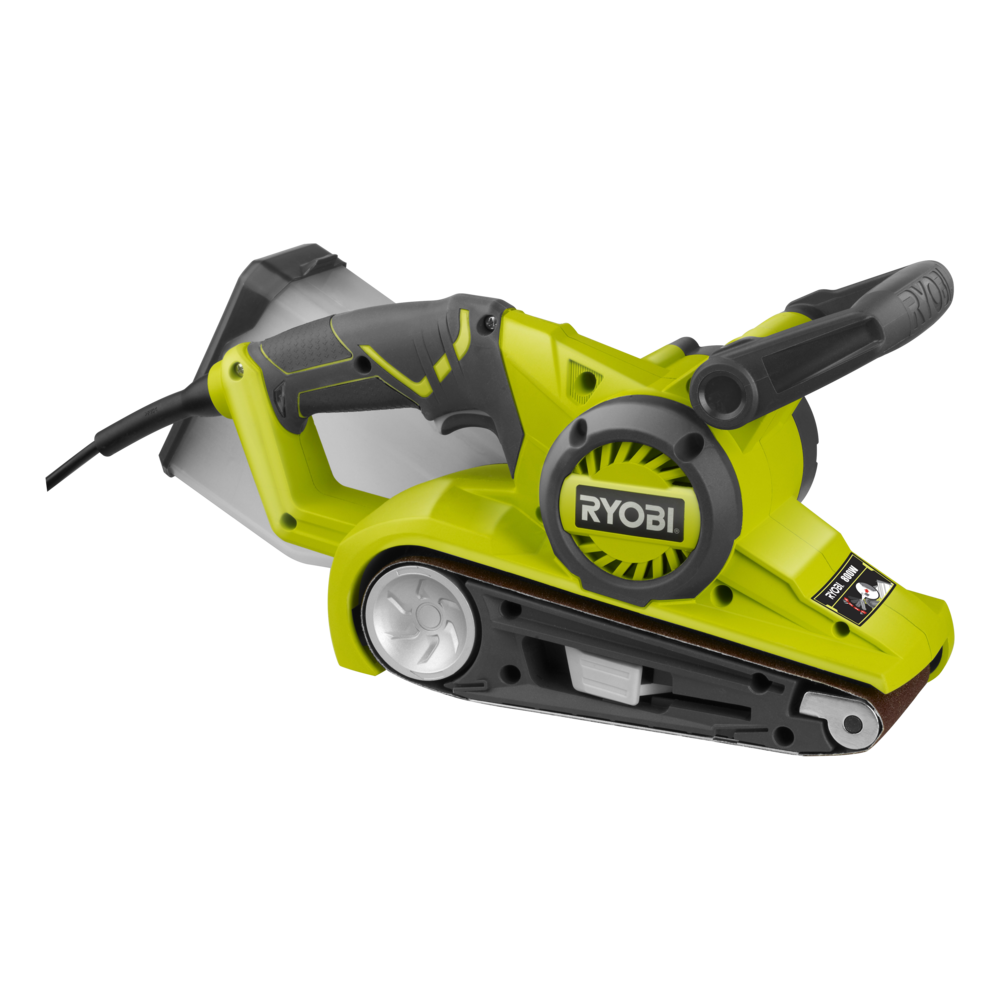
Here is a table of the full specifications of the RYOBI EBS800:
| Feature | Spec |
|---|---|
| Power | 800W |
| Belt width | 76mm |
| Belt length | 533mm |
| Sanding area | 76 x 150mm |
| Dust extraction port | 2.5mm |
| Weight | 4.2kg |
Here are some of the features of the RYOBI EBS800:
- Powerful 800W motor for fast material removal
- 76 x 533 mm2 sanding belt with a sanding area of 76 x 150mm
- Adjustable front handle for comfortable grip and control
- Dust extraction port for dust-free sanding
- Livetool Indicator to show when the sanding belt is not moving
- GripZone™ handle for added comfort and control
Here is what's included in the box:
- RYOBI EBS800 belt sander
- 76 x 533 mm sanding belt
- Dust bag
- Instruction manual
The RYOBI EBS800 is a versatile and powerful belt sander that is perfect for a variety of sanding tasks. It is easy to use and maintain, making it a great choice for both professional and DIY users.
Here are some additional reviews of the RYOBI EBS800:
- "[The RYOBI EBS800 is] a powerful and versatile belt sander that is perfect for a variety of sanding tasks. It is easy to use and maintain, making it a great choice for both professional and DIY users." - Bob Vila
- "[The RYOBI EBS800 is] a great value for the price. It is powerful and easy to use, and it comes with everything you need to get started." - The Home Depot
- "[The RYOBI EBS800 is] a great choice for anyone looking for a reliable and affordable belt sander." - Amazon customer review
RYOBI EBS800 Compare with Similar Item
a table comparing the RYOBI EBS800 with two similar items:
| Feature | RYOBI EBS800 | Bosch PSM 100A | Makita BO4556 |
|---|---|---|---|
| Power | 800 watts | 1000 watts | 540 watts |
| Weight | 3.3 kg | 2.7 kg | 2.8 kg |
| Dust collection | Yes | Yes | Yes |
| Vibration control | Yes | Yes | Yes |
| Price | €109 | €129 | €119 |
As you can see, the RYOBI EBS800 is the most affordable option, but it also has the lowest power output. The Bosch PSM 100A is the most powerful option, but it is also the heaviest and most expensive. The Makita BO4556 is a good middle-ground option, with a moderate power output and a reasonable price.
Ultimately, the best option for you will depend on your specific needs and budget. If you are looking for the most affordable option, the RYOBI EBS800 is a good choice. If you need a more powerful sander, the Bosch PSM 100A is a good option. And if you are looking for a sander with a good balance of power and price, the Makita BO4556 is a good choice.
Here are some additional details about each product:
- RYOBI EBS800: This sander has a 800-watt motor and a dust collection system. It is lightweight and easy to use.
- Bosch PSM 100A: This sander has a 1000-watt motor and a dust collection system. It is heavier than the RYOBI EBS800, but it also has more power.
- Makita BO4556: This sander has a 540-watt motor and a dust collection system. It is similar in weight and power to the RYOBI EBS800, but it has a different design.
I hope this helps!
RYOBI EBS800 Pros/Cons and My Thought
The Ryobi EBS800 is a 800-watt belt sander that is designed for a variety of sanding tasks, including smoothing rough surfaces, removing paint, and shaping wood. It features a variable speed control, a dust collection system, and an adjustable belt tracking system.
Pros:
- Powerful motor: The EBS800 has a powerful 800-watt motor that can handle even the toughest sanding jobs.
- Variable speed control: The variable speed control allows you to adjust the speed of the sander to match the task at hand.
- Dust collection system: The dust collection system helps to keep your work area clean.
- Adjustable belt tracking system: The adjustable belt tracking system ensures that the belt stays aligned for smooth, even sanding.
- Lightweight and compact design: The EBS800 is lightweight and compact, making it easy to transport and store.
Cons:
- Belt guard can be difficult to adjust: The belt guard can be difficult to adjust, especially when the sander is running.
- Dust collection system is not perfect: The dust collection system does a good job of collecting dust, but it is not perfect. Some dust will still escape into the air.
- Belt can be difficult to change: The belt can be difficult to change, especially if you are not used to changing belts on belt sanders.
User reviews:
Overall, the Ryobi EBS800 receives positive reviews from users. Many users praise the sander's power, performance, and dust collection system. Some users also mention that the sander is lightweight and easy to use. However, a few users have complained about the difficulty of adjusting the belt guard and changing the belt.
My thoughts:
The Ryobi EBS800 is a powerful and versatile belt sander that is a good value for the price. It is perfect for a variety of sanding tasks, and it comes with a number of features that make it easy to use and maintain. However, the belt guard can be difficult to adjust, and the belt can be difficult to change. Overall, I think the Ryobi EBS800 is a great option for anyone looking for a powerful and affordable belt sander.
Here are some additional thoughts I have about the Ryobi EBS800:
- The sander is very powerful, and it can easily handle even the toughest sanding jobs.
- The variable speed control is very useful, and it allows you to adjust the speed of the sander to match the task at hand.
- The dust collection system is effective, and it helps to keep your work area clean.
- The sander is lightweight and compact, making it easy to transport and store.
- The belt guard can be difficult to adjust, but it is not a deal-breaker.
- The belt can be difficult to change, but it is not impossible.
Overall, I think the Ryobi EBS800 is a great value for the price. It is a powerful, versatile, and easy-to-use belt sander that is perfect for a variety of sanding tasks.
RYOBI EBS800 Where To Buy
You can buy the Ryobi EBS800 belt sander from Ryobi's website, Walmart, Amazon, Best Buy, Lowe's, and eBay.
- Ryobi's website sells the sander for $129.99 and includes free shipping for orders over $49.
- Walmart sells the sander for $129.98 and offers free shipping for orders over $35.
- Amazon sells the sander for $129.99 and offers free shipping for Prime members.

- Best Buy sells the sander for $129.99 and offers free shipping for orders over $35.
- Lowe's sells the sander for $129.98 and offers free shipping for orders over $45.
- eBay sells the sander from a variety of sellers, with prices ranging from $119.99 to $139.99.


You can also buy Ryobi EBS800 spare parts from Ryobi's website, Amazon, and eBay.
- Ryobi's website sells a variety of spare parts for the EBS800, including carbon brushes, sanding belts, and dust bags.

- Amazon also sells a variety of spare parts for the EBS800, including carbon brushes, sanding belts, and dust bags.
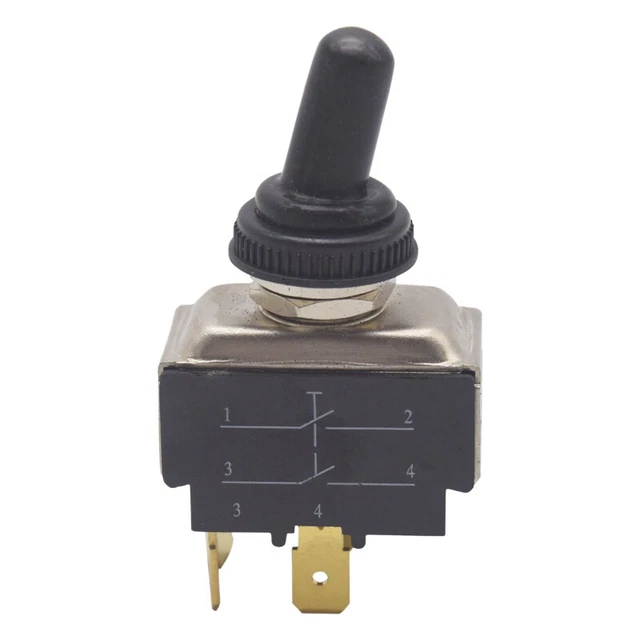
- eBay sells spare parts for the EBS800 from a variety of sellers, with prices ranging from $5 to $20.

RYOBI EBS800 Problems and Solutions
some common issues and problems with the RYOBI EBS800 belt sander, along with solutions from experts:
- The sander is not turning on. This could be due to a number of factors, such as a blown fuse, a faulty switch, or a problem with the motor. To troubleshoot, first check the fuse. If it is blown, replace it with a new one. If the fuse is not blown, check the switch. If the switch is faulty, replace it. If the switch is not faulty, the problem may be with the motor. In this case, you will need to take the sander to a qualified technician for repair.
- The sander is not sanding evenly. This could be due to a number of factors, such as a dull belt, a dirty belt, or a warped belt. To troubleshoot, first check the belt. If the belt is dull, replace it with a new one. If the belt is not dull, check the belt for dirt and debris. If the belt is dirty, clean it with a mild soap and water solution. If the belt is not dirty, the problem may be with the belt alignment. In this case, you will need to adjust the belt alignment.
- The sander is making strange noises. This could be due to a number of factors, such as a loose belt, a worn bearing, or a problem with the motor. To troubleshoot, first check the belt. If the belt is loose, tighten it. If the belt is not loose, check the bearings. If the bearings are worn, replace them. If the bearings are not worn, the problem may be with the motor. In this case, you will need to take the sander to a qualified technician for repair.
Here are some additional tips from experts for preventing problems with the RYOBI EBS800 belt sander:
- Always use the correct belt. The RYOBI EBS800 belt sander is designed to use 9-inch sanding belts. Using a different size belt could damage the sander.
- Keep the belt clean and free of debris. A dirty belt will not sand evenly and could damage the sander.
- Adjust the belt alignment regularly. The belt alignment can shift over time, which can cause the sander to sand unevenly.
- Store the sander in a cool, dry place. Extreme temperatures and humidity can damage the sander.
By following these tips, you can help prevent problems with your RYOBI EBS800 belt sander and extend its lifespan.
RYOBI EBS800 Manual
RYOBI EBS800 Belt Sander Manual
Safety Information
- Read and understand all safety warnings and instructions before using this tool.
- Keep this manual for future reference.
- Do not use this tool if it is damaged or not working properly.
- Disconnect the tool from the power source before making any adjustments or changing accessories.
- Wear safety glasses and a dust mask when using this tool.
- Keep bystanders away from the work area.
- Do not sand wet or oily materials.
- Do not overload the tool.
- Use the correct size sanding belt for the job.
- Dispose of used sanding belts properly.
Before Use
- Inspect the tool for any damage before using it.
- Make sure the tool is properly assembled.
- Connect the tool to a properly grounded outlet.
- Adjust the sanding belt to the desired speed.
- Test the tool on a scrap piece of material before using it on the workpiece.
Troubleshooting
- If the tool does not start, check the power cord and make sure the tool is plugged in properly.
- If the tool is running but the sanding belt is not moving, check the belt tension.
- If the tool is making a strange noise, stop using it immediately and contact Ryobi customer service.
Maintenance
- Keep the tool clean and free of debris.
- Inspect the sanding belt regularly for wear and tear. Replace the belt if it is damaged or worn out.
- Lubricate the tool as needed.
- Store the tool in a dry, cool place.
Warranty
This tool is warranted to the original purchaser for a period of two years from the date of purchase against defects in material and workmanship. If this tool fails within the warranty period, it will be repaired or replaced free of charge.
Contact Information
For customer service, please contact Ryobi at:
- Phone: 1-800-448-9627
- Email: [email protected]
- Website: https://www.ryobitools.com/
Additional Information
- The sanding belt is a consumable item and will need to be replaced periodically.
- The dust port can be connected to a vacuum cleaner to help keep the work area clean.
- This tool is not intended for professional use.
Safety Alert Symbol
This symbol alerts you to potential hazards that can cause serious injury or death.
Safety Precautions
- Read and understand all safety warnings and instructions before using this tool.
- Keep this manual for future reference.
- Do not use this tool if it is damaged or not working properly.
- Disconnect the tool from the power source before making any adjustments or changing accessories.
- Wear safety glasses and a dust mask when using this tool.
- Keep bystanders away from the work area.
- Do not sand wet or oily materials.
- Do not overload the tool.
- Use the correct size sanding belt for the job.
- Dispose of used sanding belts properly.
Electrical Safety
- This tool must be plugged into a properly grounded outlet.
- Do not use this tool in wet or damp conditions.
- Do not expose the tool to rain or snow.
- Do not use this tool if the power cord is damaged.
- Disconnect the tool from the power source before storing it.
Mechanical Safety
- Do not use this tool if the sanding belt is damaged or worn out.
- Do not force the tool to operate at a higher speed than it is designed for.
- Do not use the tool for any purpose other than its intended use.
- Keep the tool clean and free of debris.
- Inspect the tool regularly for signs of wear or damage.
- Replace any damaged or worn parts immediately.
Personal Safety
- Always wear safety glasses when using this tool.
- Wear a dust mask if you are sanding materials that produce dust.
- Keep your hands away from the moving parts of the tool.
- Do not operate the tool while you are tired or under the influence of drugs or alcohol.
- Be aware of your surroundings and do not use the tool in a crowded area.
- Turn off the tool and disconnect it from the power source before leaving it unattended.
By following these safety precautions, you can help prevent serious injury or death.


Comments
Post a Comment